

Active Recovery
Why Movement Is Medicine for Your Muscles
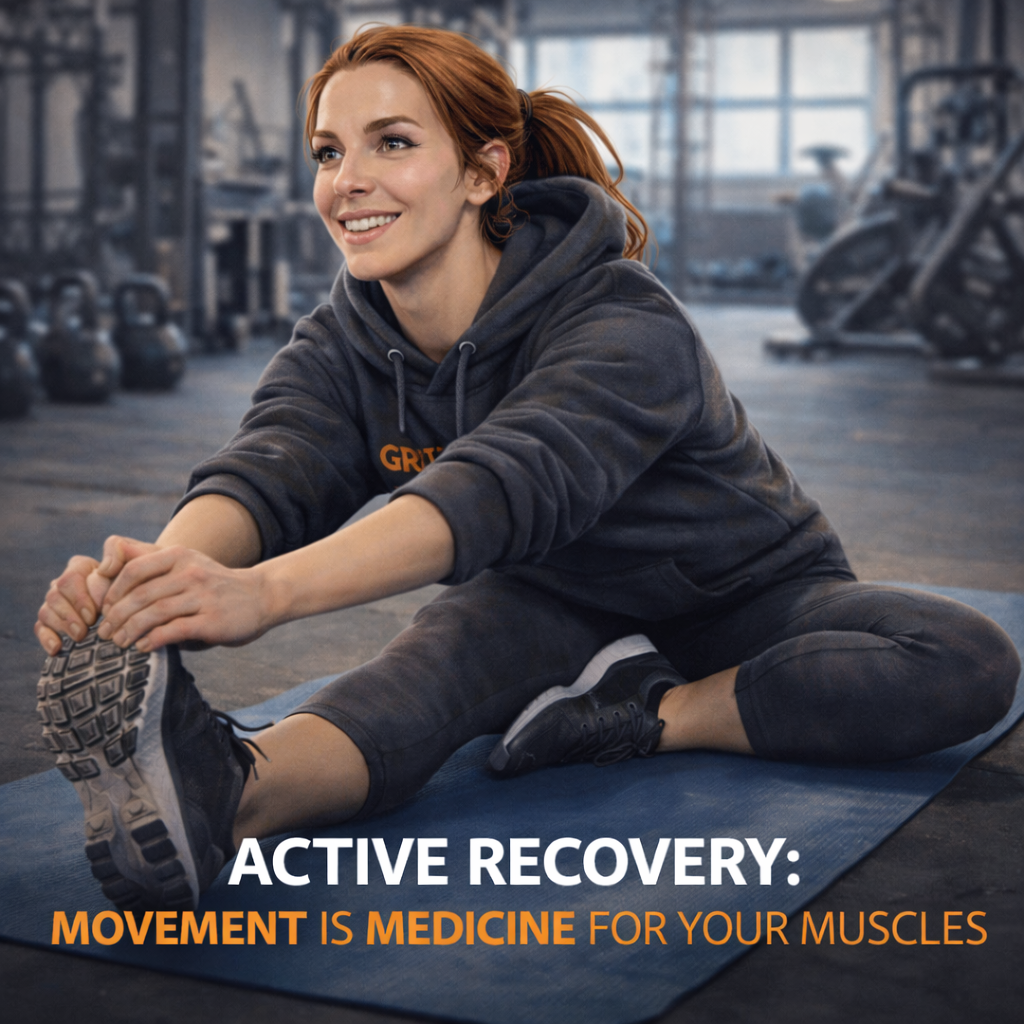
When it comes to functional fitness and strength training, most people focus on lifting heavier, moving faster, and pushing harder. But real progress isn’t just built in your sessions—it’s built in how well you recover from them. That’s where active recovery comes in.
Active recovery refers to low-intensity movement performed after intense exercise. Instead of complete rest, you keep your body moving with activities like walking, light cycling, or mobility work. It may feel counterintuitive, but this kind of movement is one of the most effective ways to support your body between tough training sessions.
After a demanding workout, your muscles are fatigued and filled with byproducts like lactic acid, which contributes to that familiar soreness. Active recovery helps increase blood flow, which in turn delivers oxygen and essential nutrients back to those tired muscles. This process supports faster repair, reduces inflammation, and helps your body bounce back more efficiently.
Another key benefit is how it reduces muscle stiffness and improves range of motion. If you’ve ever felt tight or sluggish a day or two after training, you’ve likely experienced delayed onset muscle soreness (DOMS). Incorporating light movement during this window can ease discomfort and help you stay mobile, rather than feeling like you’re starting from scratch each session.
For those following a structured strength or functional fitness programme, this matters more than you might think. Consistency is everything. If soreness, fatigue, or stiffness regularly hold you back, your progress will stall. Active recovery keeps your body primed and ready, allowing you to train at a higher quality, more often.
There’s also a mental edge. Completely stopping can sometimes leave you feeling flat or unmotivated, whereas gentle movement helps maintain routine and momentum without overexertion. It keeps you engaged, without adding extra stress to your system.
So what does this look like in practice? It doesn’t need to be complicated:
- A 20–30 minute walk
- Easy activity like cycling or rowing
- Stretching or mobility sessions
The key is to keep the intensity low. You’re not trying to “work out”—you’re helping your body recover so you can perform when it counts.
At the end of the day, training breaks your body down. Recovery builds it back stronger. If you want to get the most out of your programme, stay injury-free, and keep progressing long term, active recovery isn’t optional—it’s essential.