
Direction Over Speed
Direction Is More Important Than Speed
When it comes to improving your nutrition and building healthier habits, one principle matters more than anything else: direction beats speed every time.
It’s common to feel highly motivated at the start of a new goal. You might decide to completely overhaul your diet, cut out entire food groups, or follow a strict plan you’ve seen online. And while that initial burst of motivation can feel powerful, without the right direction, it often leads to frustration, inconsistency, or burnout.
Because in reality, how you approach your nutrition matters far more than how quickly you try to change it.
Why Quick Fixes Don’t Last
From a scientific perspective, extreme or rapid changes to your diet are rarely sustainable.
Drastically cutting calories or eliminating foods can:
- Disrupt hunger hormones like ghrelin and leptin, making you feel hungrier over time
- Reduce energy levels, impacting training performance and recovery
- Increase cravings and the likelihood of overeating later
- Create an “all-or-nothing” mindset, where one slip leads to giving up entirely
While you might see quick results initially, these approaches often backfire. The body is designed to resist extreme changes, not support them long term.
The Role of Direction in Nutrition
Having direction means building a way of eating that actually fits your life—not one that you can only follow for a few weeks.
It’s about asking:
- What habits can I realistically stick to?
- What does my body need to feel energised and recover well?
- How can I improve my nutrition without overcomplicating it?
Instead of jumping from one diet to another, a clear direction focuses on foundations:
- Eating regular, balanced meals
- Prioritising protein to support muscle and recovery
- Including plenty of whole, nutrient-dense foods
- Allowing flexibility rather than restriction
These are the habits that create results—and keep them.
Habit Formation: The Real Game-Changer
Lasting progress comes from repeated behaviours, not one-off efforts.
Behavioural science shows that small, consistent actions are far more effective than large, unsustainable ones. This is because habits are formed through repetition, not intensity.
For example:
- Adding a protein source to each meal
- Drinking more water daily
- Planning meals ahead of busy days
- Slowing down when eating and paying attention to hunger cues
Individually, these might seem small. But over time, they build a system that supports your goals without needing constant motivation.
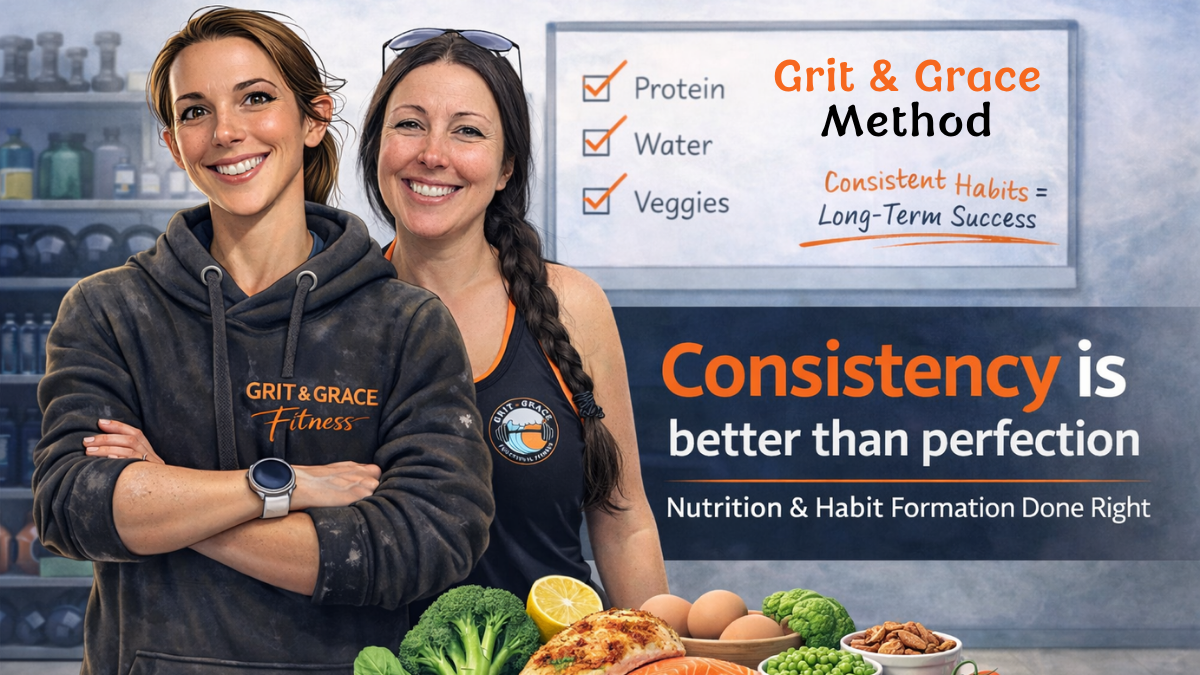
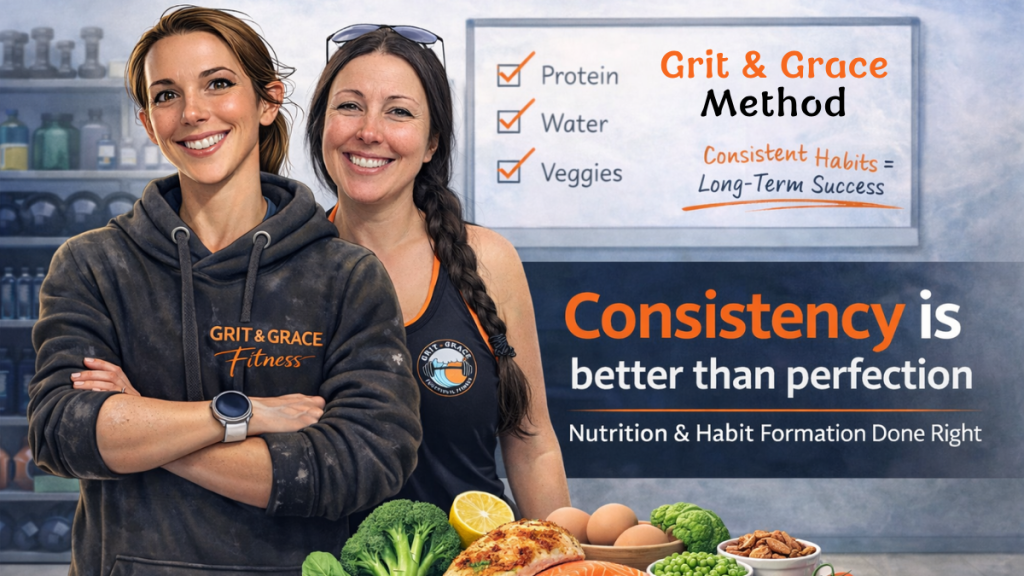
Consistency Over Perfection
One of the biggest barriers in nutrition is the idea that you have to be “perfect” to see results.
In reality, progress comes from what you do most of the time, not all of the time.
A well-directed approach allows for:
- Meals out
- Social events
- Occasional treats
…without guilt or feeling like you’ve failed.
Because when your habits are solid, these moments don’t undo your progress—they’re simply part of a balanced lifestyle.
Building a Sustainable Way of Eating
The goal isn’t just to improve your nutrition for a few weeks. It’s to create a way of eating that supports your health, your training, and your life long term.
That means:
- No extremes
- No unnecessary restrictions
- No relying on motivation alone
Just a clear direction, built on simple habits that you can repeat consistently.
Final Thoughts
You don’t need to change everything overnight to see results.
You just need to move in the right direction—and keep going.
Because in the long run, it’s not the fastest approach that works…
it’s the one you can stick to.