Lifting and Metabolism
Why Lifting Boosts Your Metabolism (and Why It Matters)
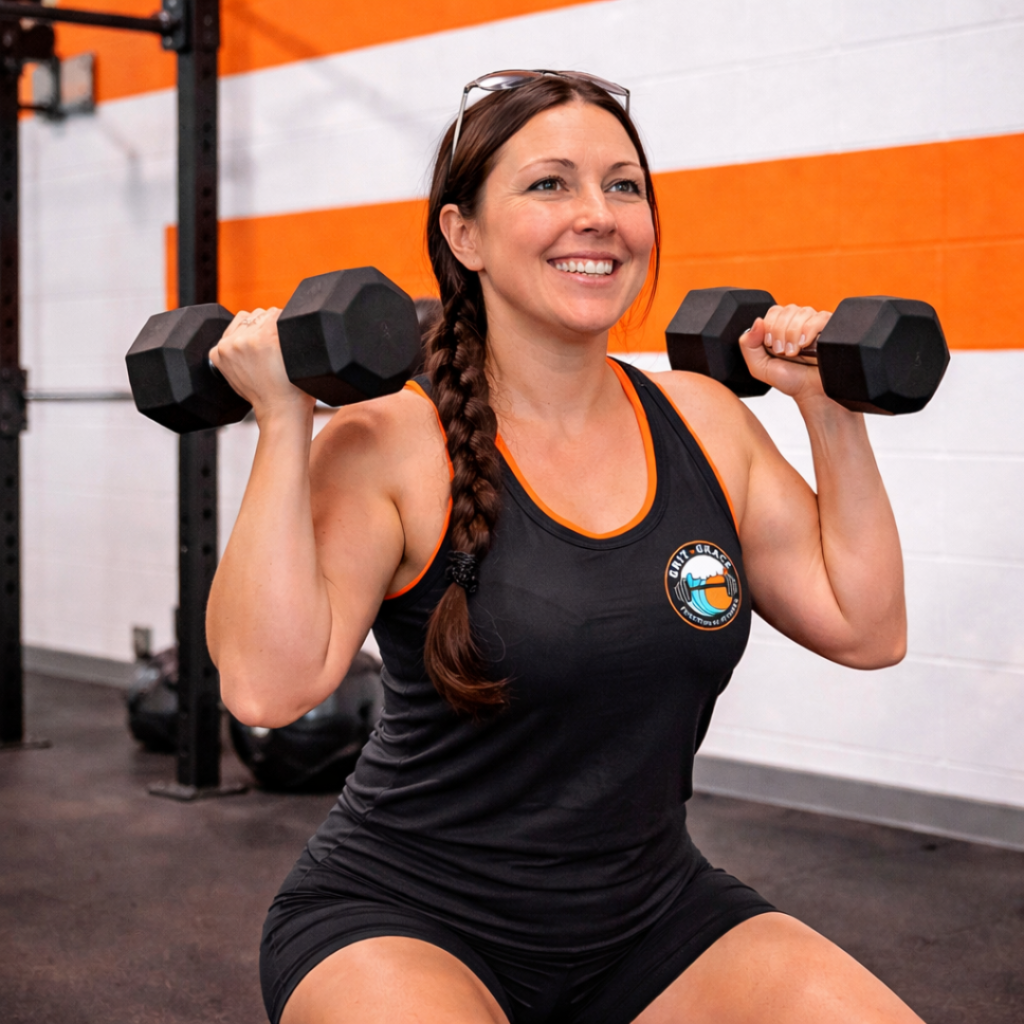
When people talk about “having a fast metabolism,” they’re often referring to something called your Basal Metabolic Rate (BMR). Your resting BMR is the number of calories your body burns at rest just to stay alive—powering essential functions like breathing, circulation, brain activity, and cell repair. Even if you stayed in bed all day, your body would still need energy to keep you going.
Here’s where exercise—especially lifting weights and functional fitness training—makes a powerful difference.
Muscle Changes the Metabolic Equation
People who regularly engage in strength training will quickly build a higher proportion of lean muscle mass compared to sedentary individuals. Muscle tissue is metabolically active, meaning it requires more energy to maintain than fat tissue. The more muscle you have, the more calories your body burns—even at rest.
This means that two people of the same weight can have very different BMRs depending on their body composition. The person with more muscle will naturally burn more calories throughout the day without doing anything extra.
The “Afterburn” Effect
Strength and functional training also create what’s known as excess post-exercise oxygen consumption (EPOC)—often called the “afterburn effect.” After an intense workout, your body continues to use extra energy to repair muscle fibers, restore oxygen levels, and return to its baseline state. This further elevates your overall daily energy expenditure.
Why This Matters for Weight Loss
A higher BMR is a major advantage when it comes to weight management. If your body burns more calories at rest, it becomes easier to maintain a calorie deficit—the key driver of fat loss—without needing extreme dieting.
In simple terms:
- You can eat more while still losing weight
- You’re less likely to regain lost weight
- Your body becomes more efficient at using energy
Protection Against Chronic Disease
An elevated metabolic rate and increased muscle mass are strongly linked to better long-term health. Regular resistance training helps:
- Improve insulin sensitivity, reducing the risk of type 2 diabetes
- Support healthy blood lipid levels, lowering cardiovascular risk
- Reduce chronic inflammation
- Maintain mobility and bone density as you age
A Foundation for Overall Health
Beyond weight loss and disease prevention, a higher BMR contributes to better energy levels, physical resilience, and quality of life. Functional fitness—movements that mimic real-life activities—also improves balance, coordination, and strength you can actually use in daily life.
The Takeaway
Building muscle through strength and functional training doesn’t just make you stronger—it fundamentally changes how your body uses energy. By increasing your resting BMR, you turn your body into a more efficient, calorie-burning system that supports fat loss, protects against disease, and enhances long-term health.
In other words, the benefits of exercise don’t stop when your workout ends—they continue working for you all day long.