
What is HRV?
What Is Heart Rate Variability (HRV) — And Why Should You Care?
When you think about your heart rate, you might imagine it ticking along steadily like a metronome. In reality, a healthy heart doesn’t beat with perfect regularity—and that’s actually a good thing.
This natural variation in time between each heartbeat is known as Heart Rate Variability (HRV).
So, what exactly is HRV?
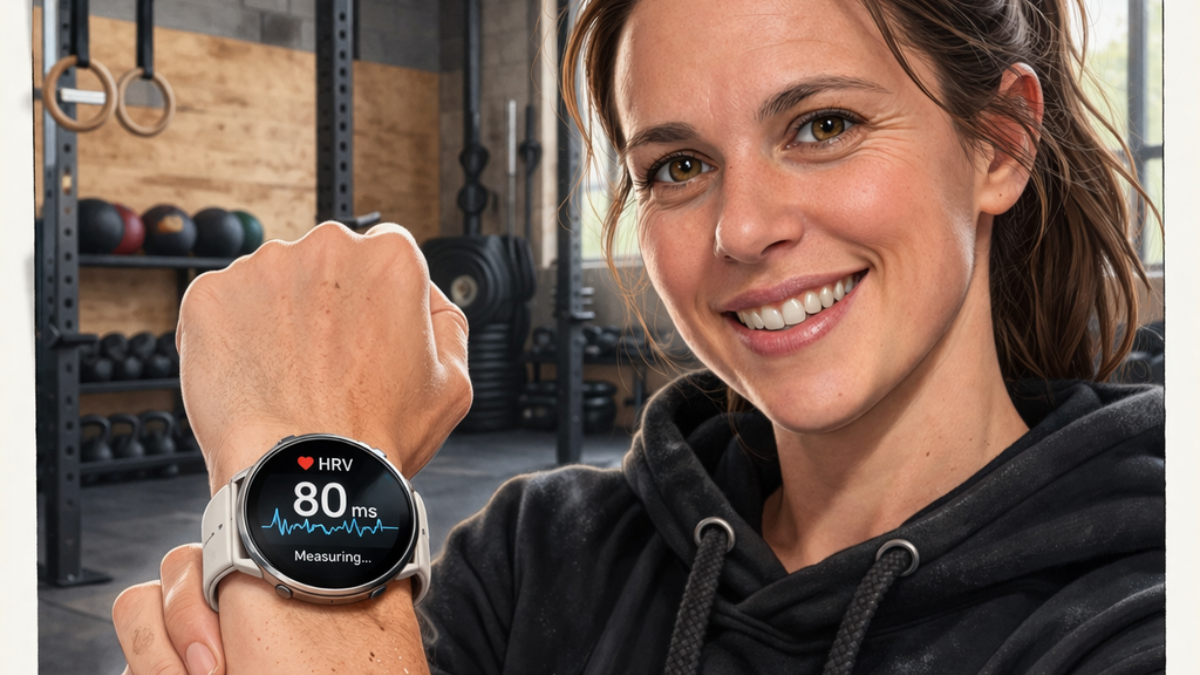
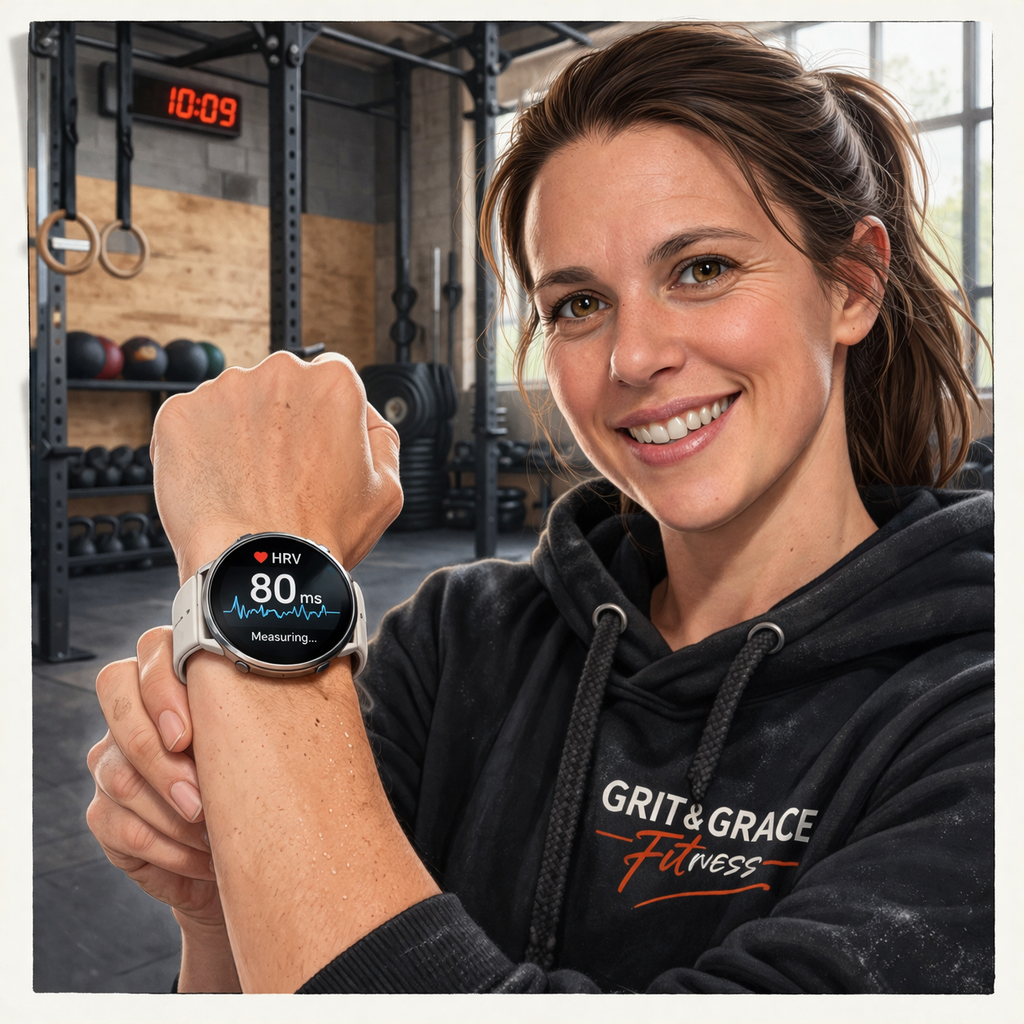
HRV is measured by most smart watches these days. It measures the tiny differences in time between each heartbeat. These variations are controlled by your autonomic nervous system, which regulates how your body responds to stress, training and recovery.
This system has two key parts:
- Sympathetic nervous system – your “fight or flight” mode (think intense workouts, stress, deadlines)
- Parasympathetic nervous system – your “rest and digest” mode (recovery, relaxation, sleep)
Your HRV reflects how well these two systems are working together. The more adaptable your body is, the healthier and more resilient you tend to be.
Why HRV matters for your training
HRV is one of the most useful (and often overlooked) tools when it comes to improving performance and recovery. For most adults, HRV generally falls between 50 and 70milliseconds (ms), largely depending on age, gender, and fitness level. For people over 60 the range is more typically 25-45ms and trained athletes can be over 100ms.
- Higher HRV generally means your body is well-recovered, adaptable, and ready to train
- Lower HRV can indicate fatigue, stress, poor sleep, or that your body needs more recovery
For gym members, this is powerful information. It can help you:
- Avoid overtraining and detect oncoming illnesses
- Train smarter, not just harder
- Understand when to push and when to pull back
- Improve long-term performance and consistency
HRV and everyday stress
Training isn’t the only thing that affects your body. Work stress, poor sleep, hydration, nutrition, and even emotional strain all play a role in your recovery.
HRV gives you a window into how all of these factors are impacting you—not just what happens in the gym.
How to track your HRV
The good news is you don’t need fancy lab equipment anymore. Many modern fitness trackers and smartwatches now measure HRV automatically.
If you’ve got one, start paying attention to the trends rather than obsessing over a single number. Over time, you’ll begin to see patterns that can guide your training and recovery decisions.
The bottom line
HRV isn’t just for elite athletes—it’s a simple, powerful tool that can help you train smarter, recover better, and feel your best.
At Grit & Grace, we’re big believers in listening to your body. HRV is one more way to do exactly that.